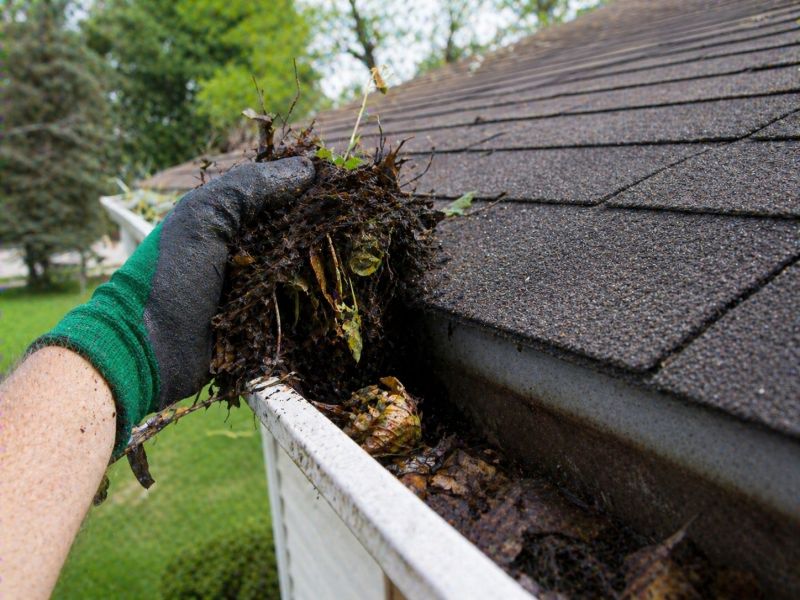
Gutter Leaves Removal in Morris County, NJ
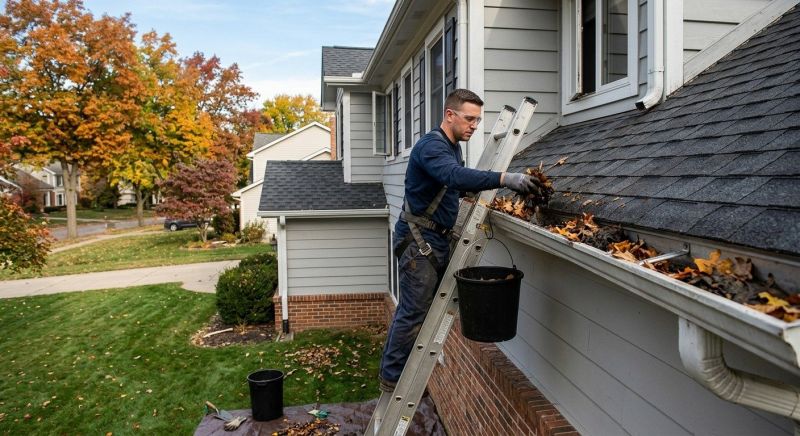
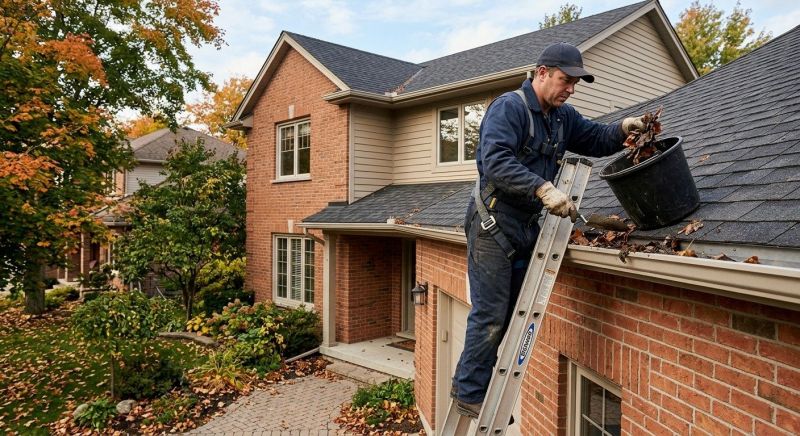
Gutter leaves removal services involve clearing out accumulated leaves, twigs, and other debris from gutters and downspouts to ensure proper water flow and prevent blockages. This service typically covers residential properties, including single-family homes, multi-story houses, and small commercial buildings. Homeowners often request gutter leaves removal to avoid water damage, reduce the risk of gutter overflow, and protect roofing and foundation structures from moisture-related issues.
Before requesting gutter leaves removal, property owners should consider the size and accessibility of their gutters, as well as any existing damage or areas that may require special attention. It’s helpful to understand the scope of debris buildup and whether additional services, such as gutter inspection or repairs, might be needed. Properly maintained gutters contribute to the overall health of a property by directing rainwater away from the foundation and avoiding costly water-related problems.
Many property owners in Morris County, NJ look into Gutter Leaves Removal for repairs, replacements, upgrades, and appearance-related improvements.
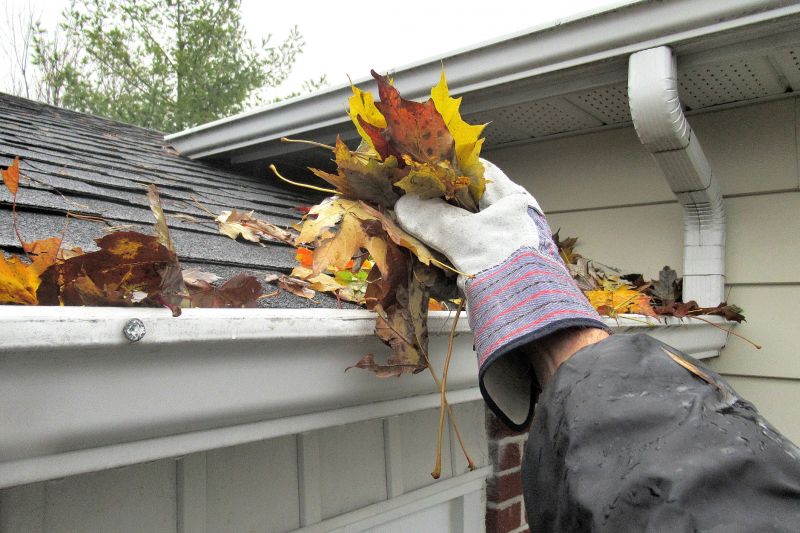
Gutter Leaf Removal Benefits
Removing leaves helps prevent water damage and keeps gutters functioning properly.
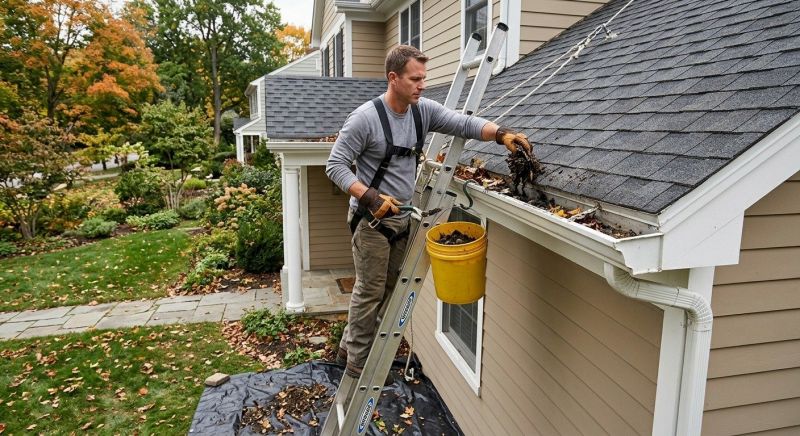
Common Leaf Blockages
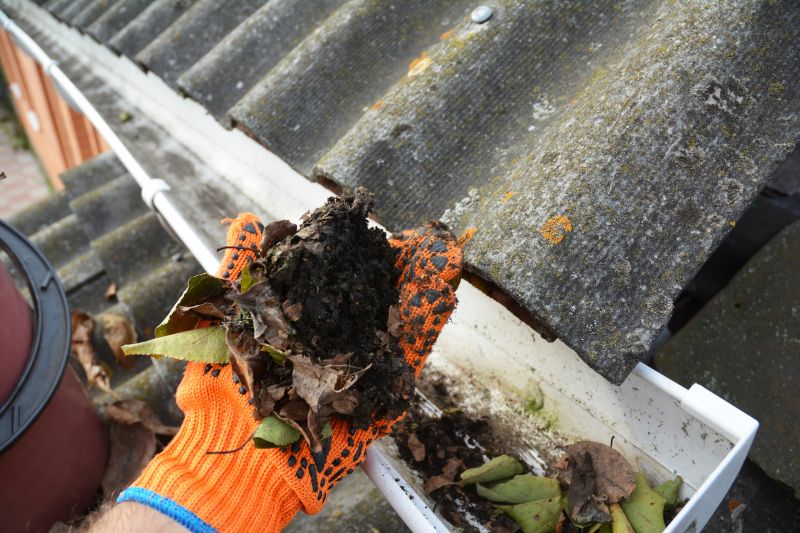
Accumulated leaves can cause clogs, overflow, and potential damage to roofing and siding.
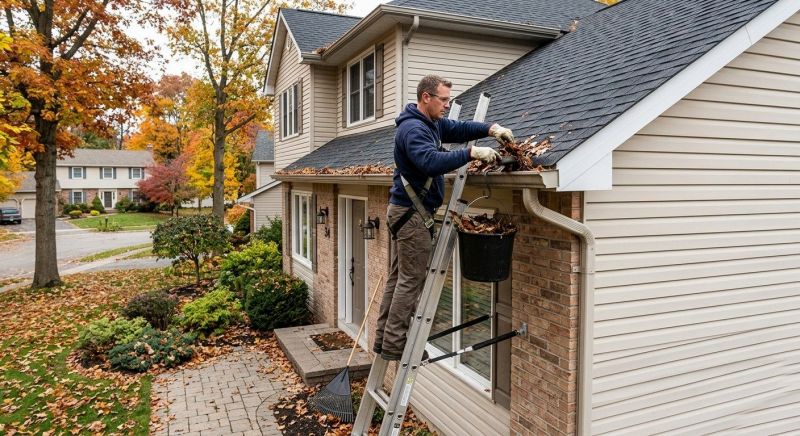
Maintenance For Morris County Homes
Regular gutter cleaning ensures your property stays protected during the fall season and beyond.
Gutter Leaves Removal in Morris County, NJ

Gutter leaves removal services involve clearing out accumulated leaves, twigs, and other debris from gutters and downspouts to ensure proper water flow and prevent blockages. This service typically covers residential properties, including single-family homes, multi-story houses, and small commercial buildings. Homeowners often request gutter leaves removal to avoid water damage, reduce the risk of gutter overflow, and protect roofing and foundation structures from moisture-related issues.
Before requesting gutter leaves removal, property owners should consider the size and accessibility of their gutters, as well as any existing damage or areas that may require special attention. It’s helpful to understand the scope of debris buildup and whether additional services, such as gutter inspection or repairs, might be needed. Properly maintained gutters contribute to the overall health of a property by directing rainwater away from the foundation and avoiding costly water-related problems.
Many property owners in Morris County, NJ look into Gutter Leaves Removal for repairs, replacements, upgrades, and appearance-related improvements.
Common Gutter Leaves Removal Jobs
Gutter Leaves Removal - Clearing accumulated leaves to prevent clogs and water damage.
Seasonal Gutter Cleaning - Regular removal of leaves and debris during fall and spring.
Storm Debris Removal - Clearing gutters after storms to maintain proper drainage.
Gutter Maintenance - Inspecting and removing debris to extend gutter lifespan.
Downspout Clearing - Ensuring downspouts are free of leaves for effective water flow.
Gutter Debris Prevention - Installing guards to reduce leaf buildup and simplify maintenance.
Gutter Leaves Removal Questions
Why should leaves be removed from gutters regularly? Removing leaves prevents clogs that can cause water overflow and damage to the roof and foundation.
What types of debris are typically removed during gutter cleaning? Common debris includes leaves, twigs, pine needles, and dirt that can accumulate in gutters over time.
How can clogged gutters affect a property? Clogged gutters can lead to water backing up, roof leaks, and potential damage to fascia and siding.
Is gutter leaves removal necessary in all seasons? Yes, regular removal is recommended throughout the year to prevent buildup and maintain proper drainage.
Request Gutter Leaves Removal in Morris County, NJ
Use the quote form on this page to share the basics of your project and request more information for the type of work you need.